
The art collection at Kelmscott Chapel features original paintings from the 19th and early 20th centuries by French and British artists, alongside contemporary American art painted in a traditional style. This unique collection is the only place in Fowlerville where visitors can experience such a diverse range of artwork. Our hope is that guests will appreciate the rich artistic experience and find joy in their engagement with the art.
The collection includes notable works from influential movements of the 19th and early 20th centuries, reflecting the rich history of art during that time, while contemporary pieces allow for a dialogue between past and present. Many contemporary artists draw inspiration from their predecessors, creating works that resonate with both historical and modern sensibilities. By sharing this collection, we hope to contribute to the local community by promoting appreciation for the arts and serve as a gathering place where creativity and culture can flourish. If you would like to learn more about these pieces and their stories, please reach out.
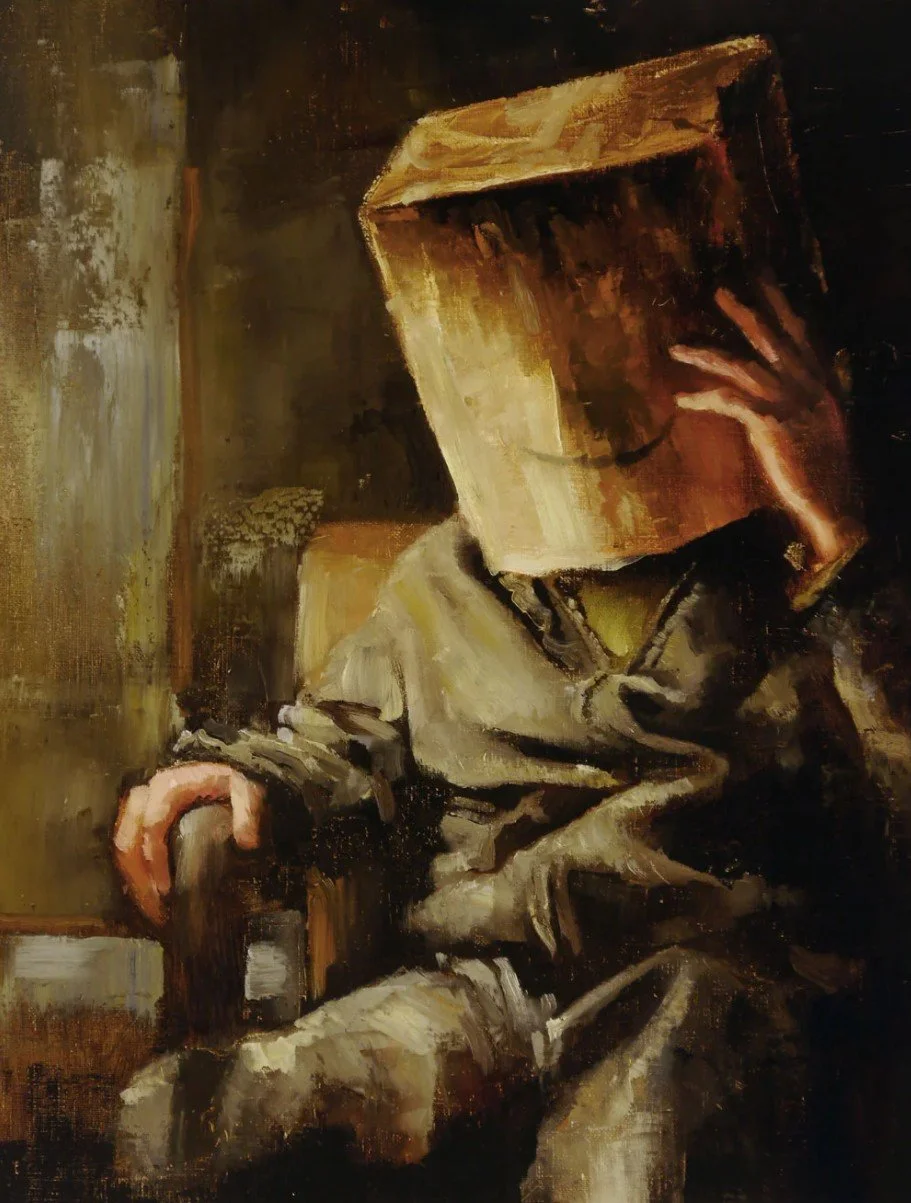
Joshua Adam Risner (American, 1975-)
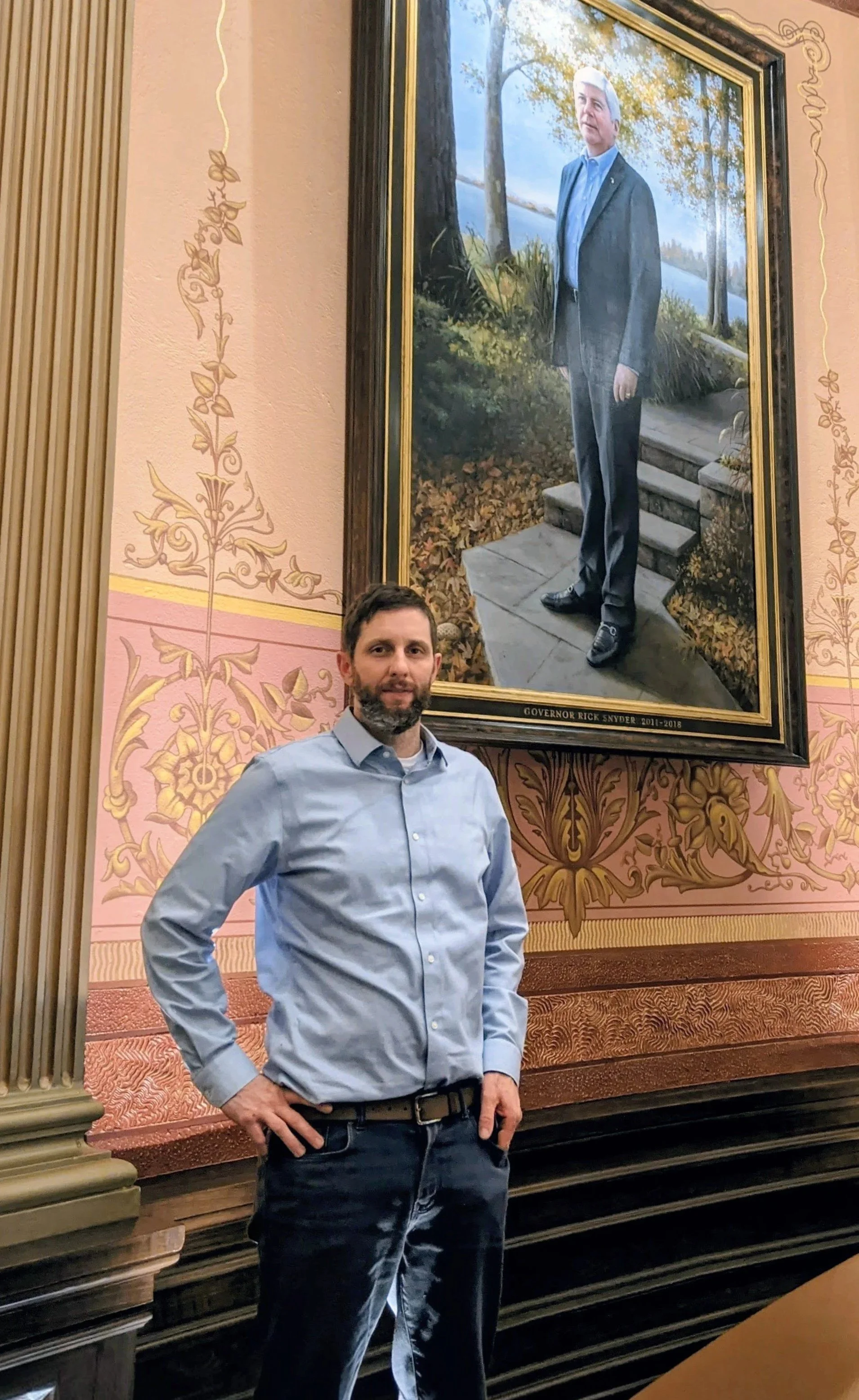
Risner with Governor Rick Snyder portrait at Michigan State Capitol, 2019.
Risner is a distinguished portrait painter and fine artist with a compelling artistic journey. Raised in rural central Ohio, Risner initially established a successful career in commercial art, gaining diverse experience as a sign painter, graphic designer, creative director, and business owner. At thirty, he transitioned to fine art, earning a BFA in painting with an art history minor from Ashland University. His pursuit of artistic excellence led him to Michigan, where he received a full tuition fellowship and an MFA from Kendall College of Art and Design.
Widely recognized for his evocative oil paintings and drawings, Risner is particularly celebrated for his portraiture. His talent is evident in the eight portraits on permanent display at the Michigan State Capitol, including the monumental portrayal of Governor Rick Snyder. His work extends to the national stage with a portrait of Senator Debbie Stabenow hanging in the Russell Senate Office Building in Washington D.C. Currently, Risner serves as the Artist in Residence at the Michigan State Capitol, further solidifying his significant contribution to the art world.

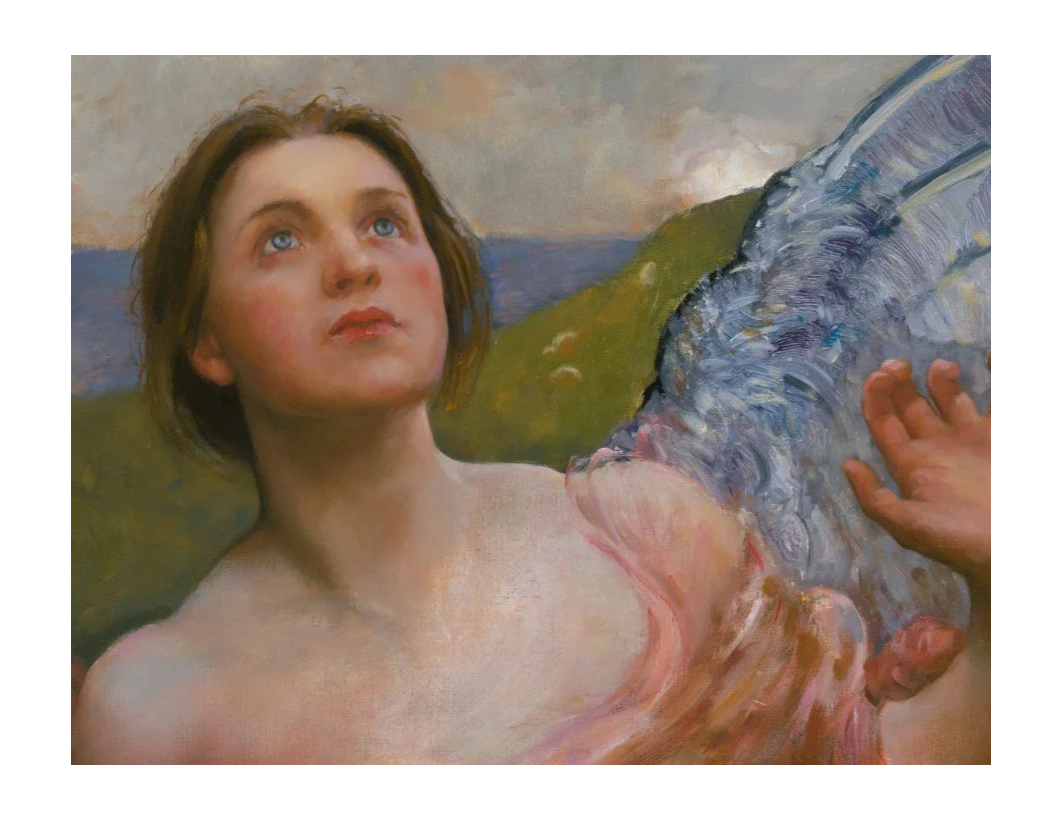


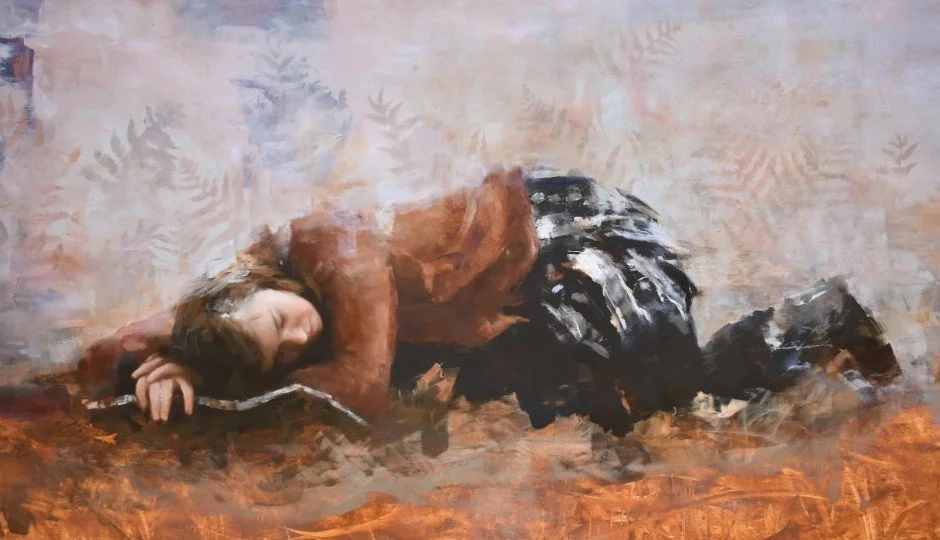
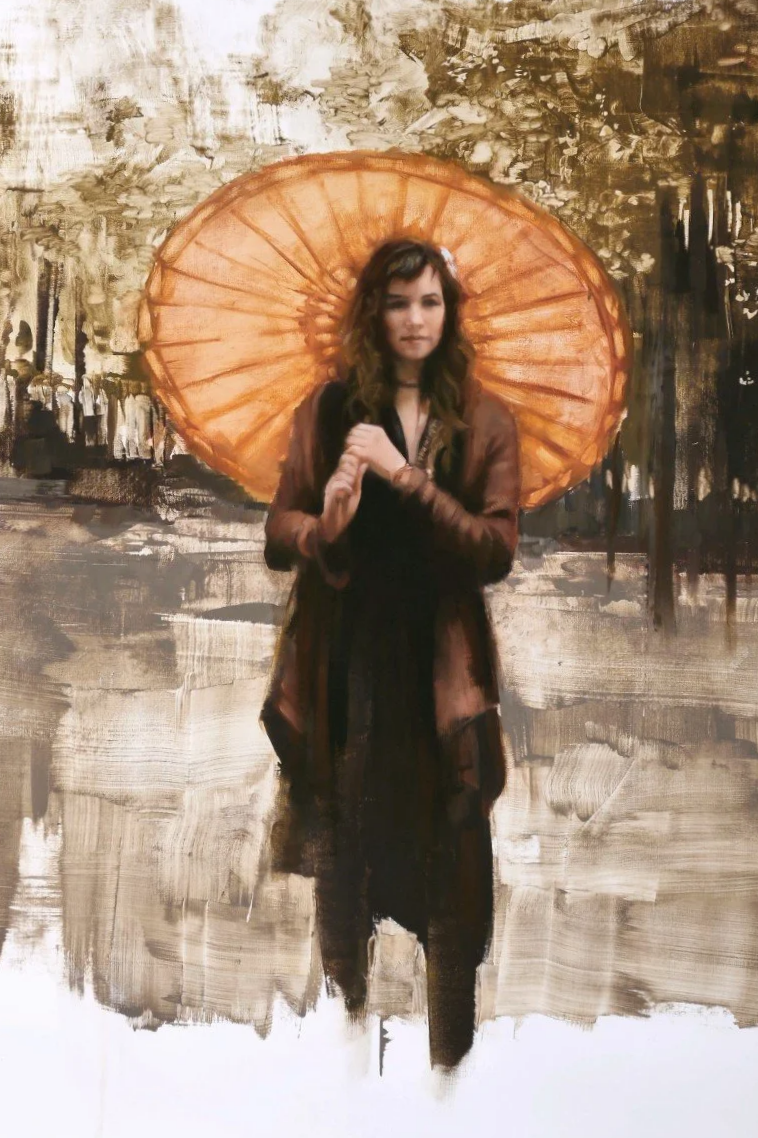
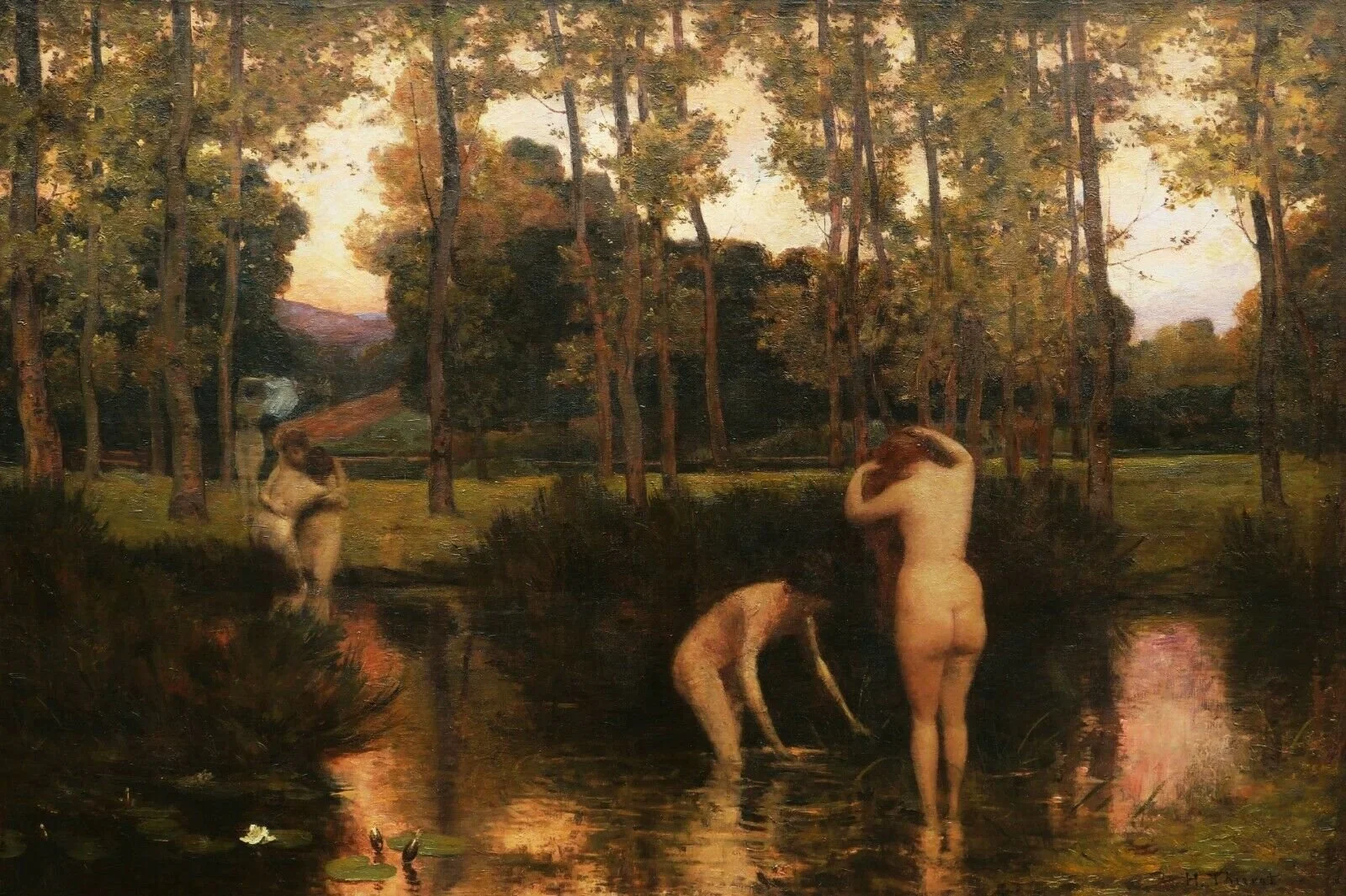
The Bathers, circa 1900
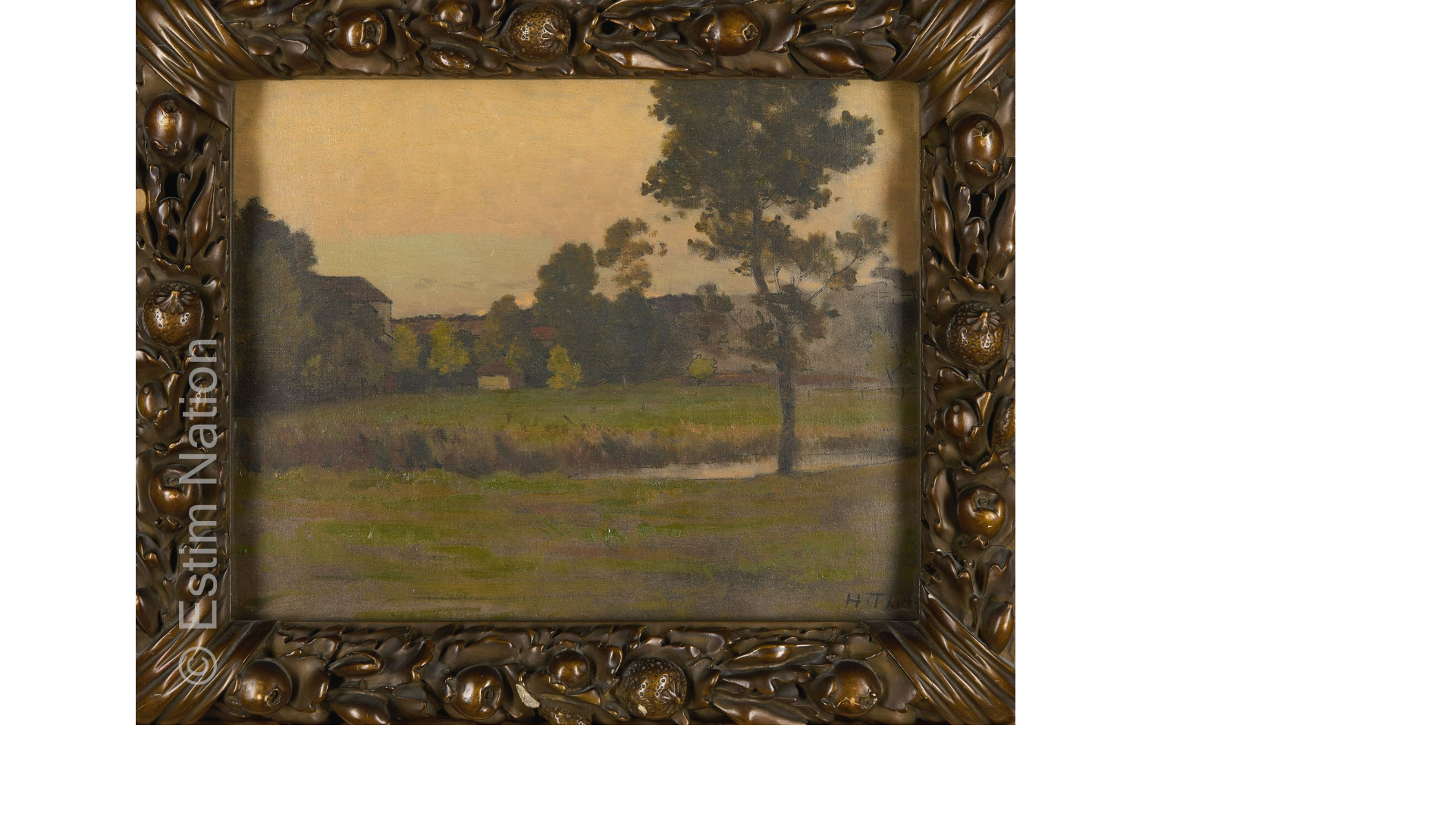
Henri Thiérot (French, 1863-1905)
Henri Marie J. Thiérot was a French Symbolist painter celebrated for his versatility across history painting, portraits, genre scenes, and landscapes, displaying a refined sense of mood and poetic atmosphere in each. Born in Reims, France, Thiérot was the son of François Édouard Thiérot, an architect noted for his contributions to the restoration and work on Reims Cathedral. He pursued his artistic education at the prestigious École des Beaux-Arts in Paris, where he trained under the guidance of notable masters including Henri-Léopold Lévy, Jules Lefebvre, and Alfred Bramtot, absorbing both academic technique and a sensitivity to emerging Symbolist currents.
Thiérot’s career included travels through Holland and Belgium, experiences that enriched his palette and compositional approach, and he exhibited frequently at the Salon des Artistes Français. His talent garnered significant recognition over the years: in 1895 he received a commendation; in 1899 he was awarded a bronze medal; in 1900 he received a bronze medal at the Exposition Universelle; and in 1901 he won a silver medal, marking him as a respected figure in the French art world. He also exhibited internationally, notably at the Carnegie Museum of Art in Pittsburgh, Pennsylvania, in both 1901 and 1904, broadening his reputation abroad.
Thiérot died of an illness in 1905 in Saint-Thierry, France; he never married and left no direct descendants. His works are preserved and displayed in prominent collections, including the Musée des Beaux-Arts de Reims and the Neue Pinakothek in Munich, Germany, ensuring his artistic legacy endures.


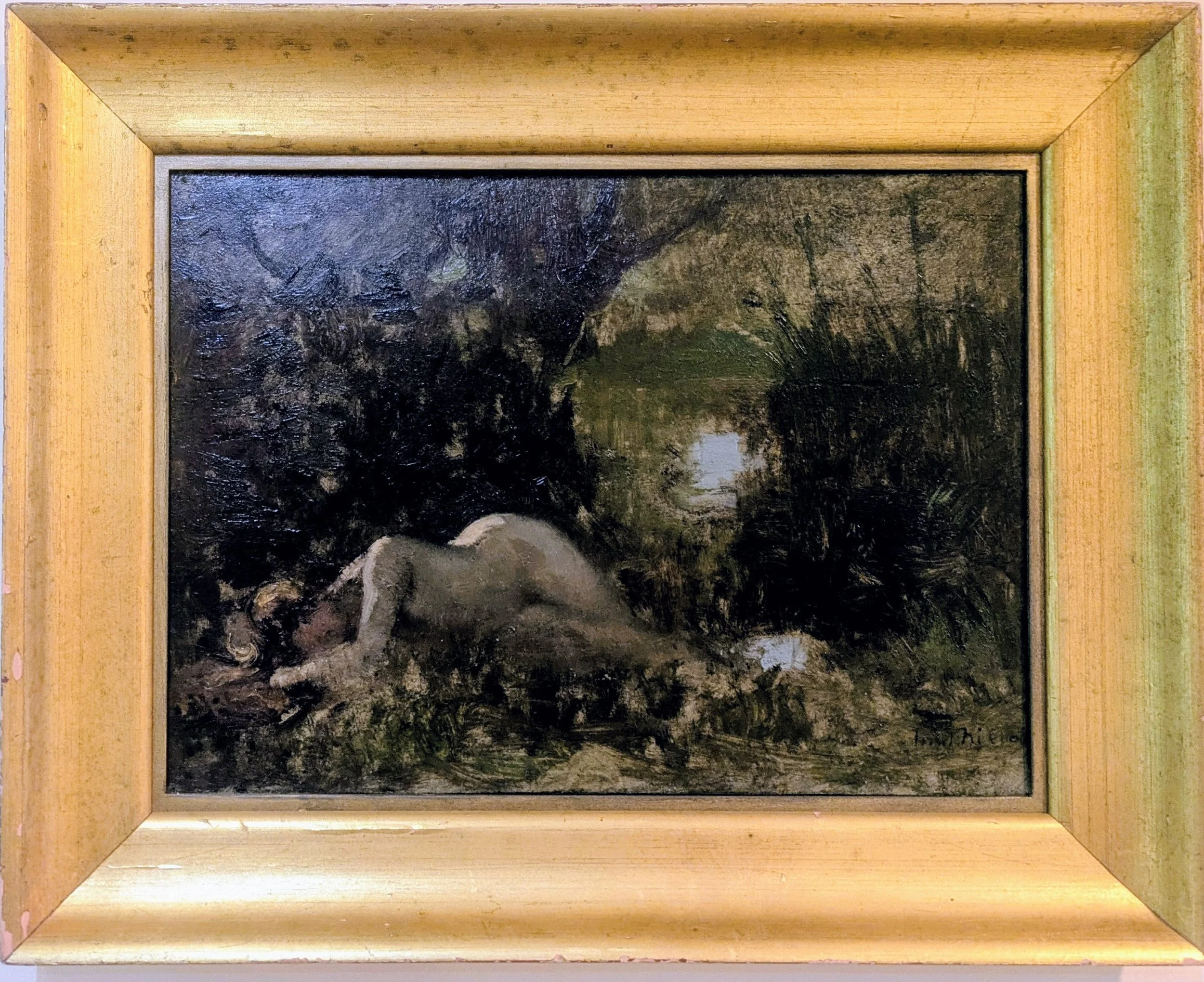
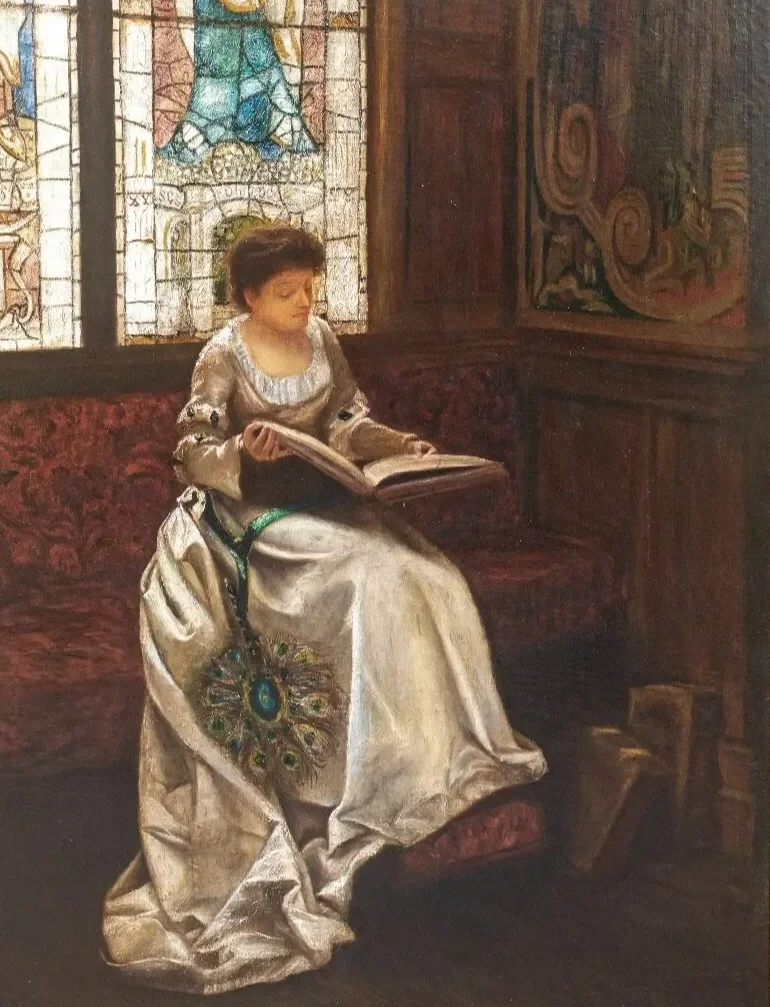
Quiet Reflection
Francis Sydney Muschamp (British, 1851 - 1929)
Born in Hull, Yorkshire, in 1851, Francis Sydney Muschamp was a British artist renowned for his captivating imagined domestic scenes featuring figures dressed in period costume. He also practiced landscape painting and portraiture. Moving to London early in life, he was likely instructed by his father, landscape painter Francis Muschamp Senior. Muschamp's body of work showcases his skill as an accomplished figure painter, characterized by beautifully rendered interiors, elegant, sweeping dresses, and maidens involved in literary and historical narratives, often touching upon themes of Arthurian romance.
Muschamp’s style bridged two distinct approaches: he was subtly influenced by the Aesthetic Movement but always maintained a strong traditional Victorian narrative. This balance made his paintings highly desirable and popular, especially among middle-class buyers during the peak of his career. He was significantly motivated by a love for the past and the burgeoning Neo-Classical movement of the nineteenth century. He painted with a vision similar to leading figures like Lord Leighton and Sir Lawrence Alma-Tadema, concentrating on themes from Shakespeare, Classical mythology, and the Baroque era. This focus is evident in his exhibited titles, which included The Merchant of Venice, Juliet and her Nurse, and Ivanhoe.
Throughout his career, Muschamp was a frequent exhibitor, showing his work between 1870 and 1903 at numerous major venues. He debuted at the Royal Society of British Artists (RBA) in 1870, later becoming an elected member in 1893, and also debuted at the Royal Academy (RA) in 1884. His exhibition record also includes the Dudley Gallery, the Walker Art Gallery in Liverpool, and the Royal Hibernian Academy. He lived for a period in St Pancras and later Hampstead, London, and died in Earls Court Square, London, in 1929. Today, his paintings are held in public collections, including the Lancaster City Museum, the National Trust at Stourhead, and the Scarborough Art Gallery.